
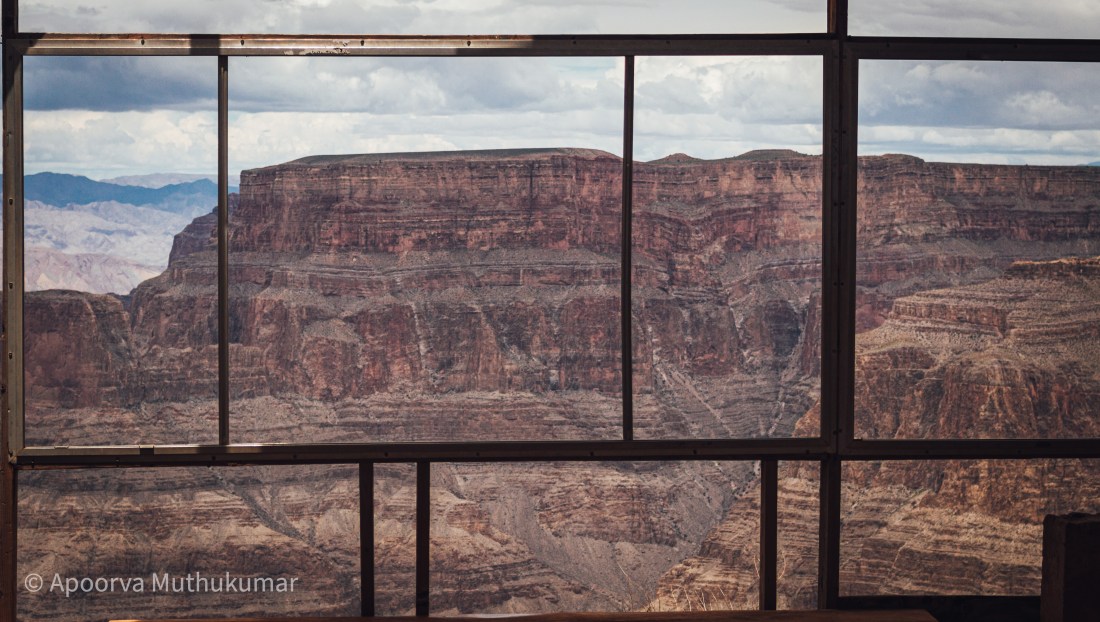

Last year as a graduation trip, I achieved my lifelong dream of visiting some of the most beautiful landscapes on Earth, the US National parks. I had seen many pictures of them, I had studied the history behind the creation of the national park system, the various ecological systems that thrive inside each of the different parks, the rough terrains and so much more. But the thing with being an environmentalist and a traveler is that you often grapple with some tough questions. The theme always revolves around ethics and morals. Sometimes, it’s about the air travel induced carbon dioxide emissions that I am party to or the consumption of living in hotels to hostels to Airbnb’s; but a lot of the times it’s about how am I affecting someone’s culture and history? How is me being here changing how the land was used and will be used? How am I contributing to the further gentrification of an area because it’s ‘touristy’? While on tour of the national parks, I remember messaging my friend who also shares similar views on socio-ecological injustice and telling her about the gift shops we stopped off at and saw the white people profiting off Native American artisanal goods and throwing it back to old ‘western’ movies and their mocking of Native American culture in the form of signages and goodies.



Although, what brought me to write this essay is that recently, I have been reading an onslaught of thoughts by people online saying ‘humans are not destroying the earth, the earth has been here for millions of years and the resources are infinite and overpopulation is a lie; it is so that rich people can hoard their wealth and luxury and that poor people have to cut back down’. I’ll break down the different facets of this statement into several paragraphs going forward. Please note that almost all my knowledge comes from having read American environmental history and theory. I will try my best to provide examples from other perspectives.
When you learn the basics of environmental studies, you are made to read Nobel Peace Prize winner Elinor Ostrom’s essay titled ‘The tragedy of the commons’. The TLDR version of the essay is that overpopulation will lead to destruction and desolation and thus must be curtailed so as to provide the boons of today to tomorrow’s children. This is the foundation upon which your definition of sustainability as a future environmentalist is framed upon. However, I was on a mission to challenge my current ideology. This led me down a thinking rabbit hole that concluded in the obvious ongoing struggle: Colonialism.
Most environmental theories and frameworks have been built upon the backs of colonized communities. The famous John Muir, who’s been touted as the father of the US National Park system contributed to the colonization of vast amount of spaces that were designated First Nation countries in the name of ‘wilderness protection’. Instead, they commercialized the area, restricting access to the commons by providing licenses to those who can afford their camping grounds, hiking trails etc. They pushed the colonies of First Nation peoples living within these lands to the edge and turned their sacred land into a theme park. This system is the outcome of the ‘tragedy of the commons’ in practice. Muir envisioned the preservation of outdoor spaces to be a reprieve from the overtly capitalistic society of the United States. However, after having lived in the US for 8 years, I have come to realize that it is a privilege to be able to access the national parks, for they are hard to get to without car or tour bus (which are both expensive options). I once wrote an essay on how outdoor gear and clothing was inaccessible to the underprivileged, but the outdoors itself is inaccessible. The outdoors was not meant to be an equalizer, it’s quite the opposite in reality.
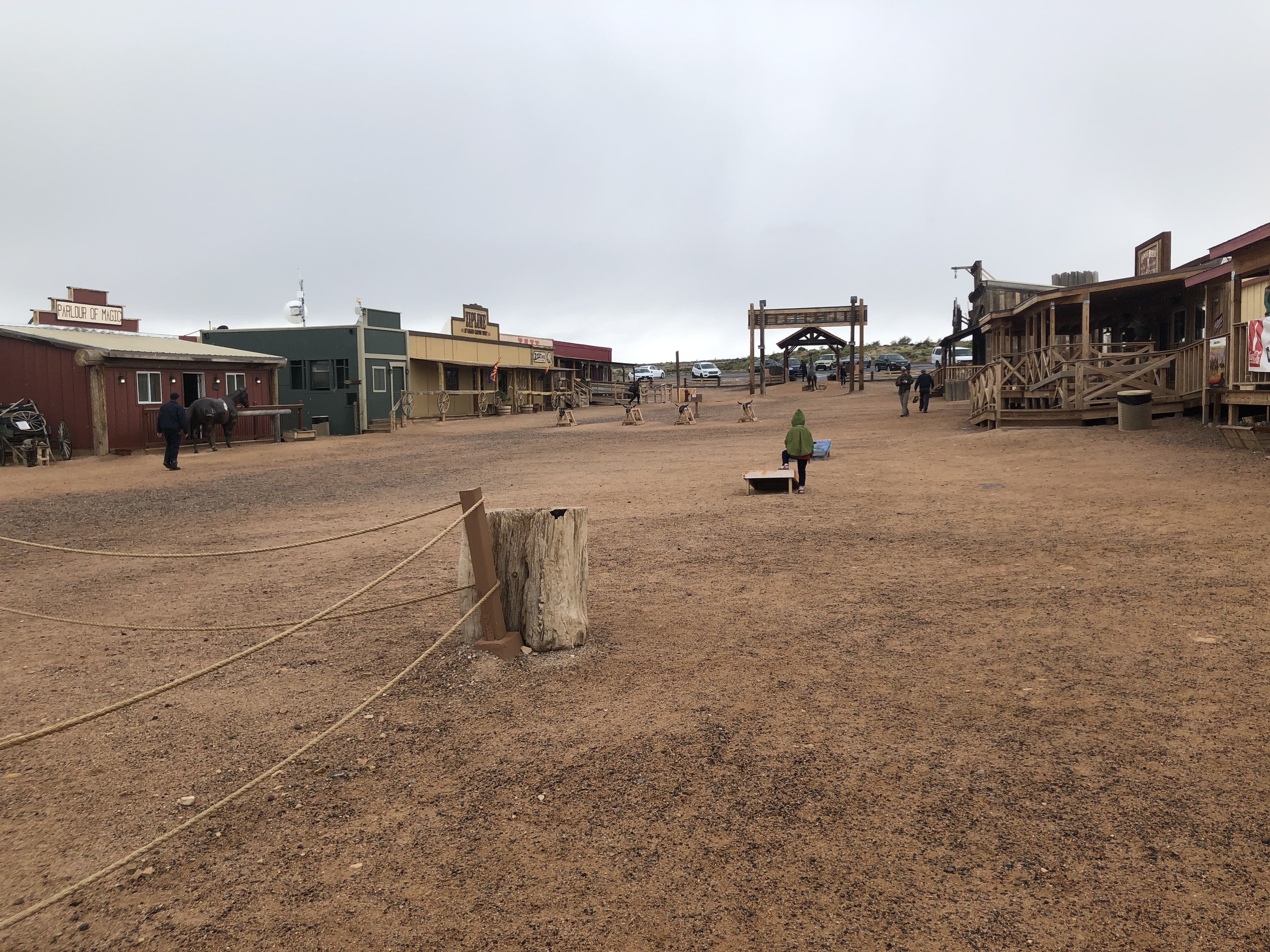
Westworld-esque western themed park 
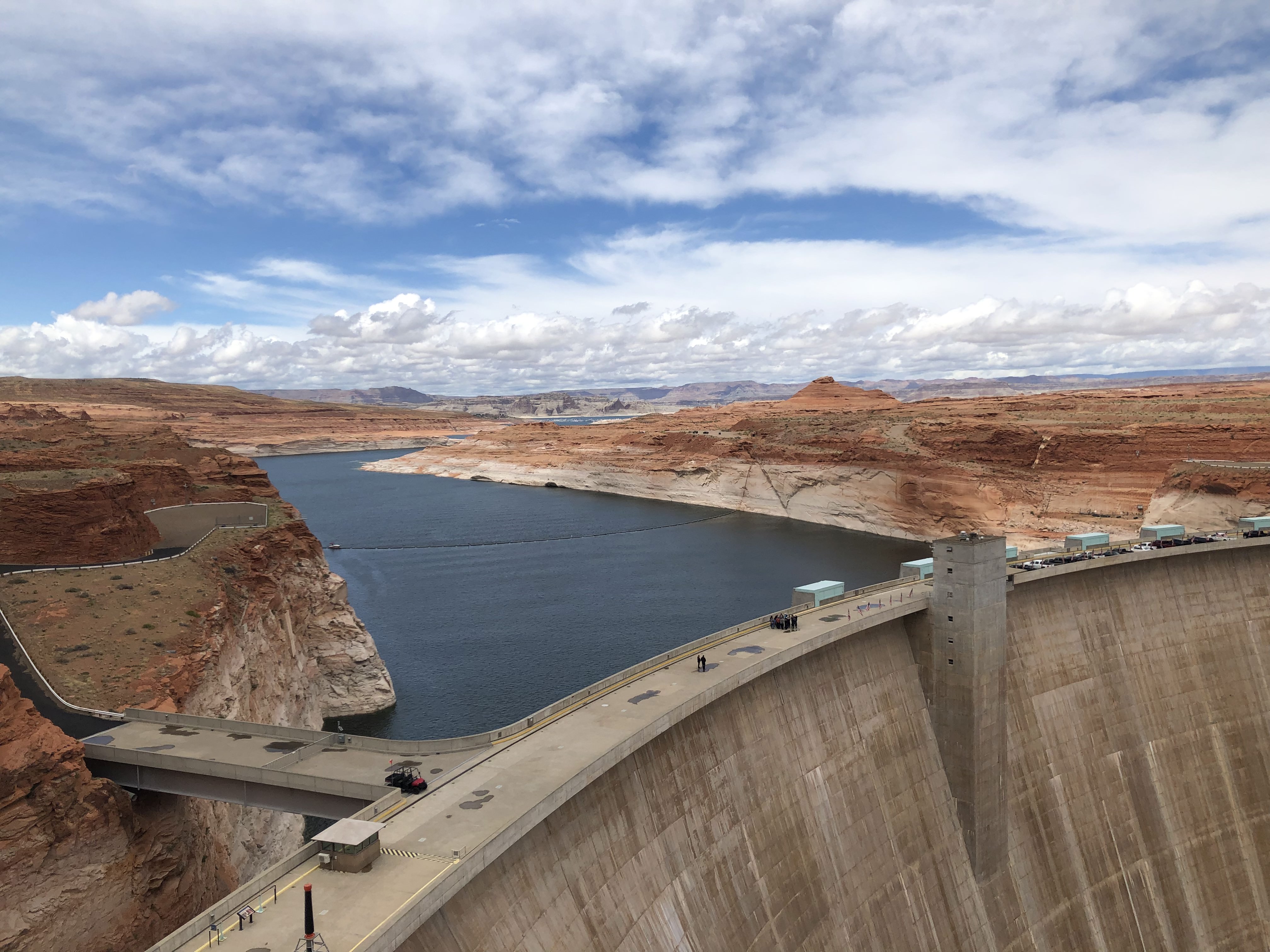
Hydropower Dam built on Lake Powell
When I traveled across Europe, I noticed a couple of things in relation to the outdoors: they have trains and commuter buses that give you access to isolation. Campgrounds are not governed by licenses and designated areas but rather the citizens are trusted to take care of the land they make use of. It’s like a free market system. No one governs the land, it’s free to use for all and there is ample access provided to get to the many outdoor spaces the continent provides. In Scotland, they even have a system of ‘bothies’, which are basically huts, outfitted with the bare minimum whose primary purpose to provide shelter. They don’t always come with running water or electricity, but is more than enough to hide away from the often-turbulent weather. Europe didn’t face colonization, thus doesn’t have a system that is based on gatekeeping. Instead, they were the ones who colonized and thus integrated a system in which only their successors would benefit from. These are deeply problematic issues when a lot of environmental theory is coming from a history that is based on inequality and gatekeeping. Honestly, this is the real tragedy of the commons. The privatizations of resources and areas that only cater to the rich and powerful and not general population.
While studying environmental theory, I learnt that the common burden on the earth was not industrialization or climate change or fossil fuel usage, but rather overpopulation. Overpopulation is contentious enough of a topic because of pro-choice arguments, and the allocation of resources and space that hinders growth and instead how socialist economies are built on smaller populations. There is consensus on how developed countries have the resources to curtail overpopulation while the rest of the world grapples with it. Education and access to contraceptive methods have a hand to play in this without the sensationalization of pro-choice policies. But here are the crossed wires: Overpopulation is not the only contributing factor to climate change. The industries that are in the developed nations control 97% of the world’s resources and wealth, while the rest of the world faces the brunt of the externalities caused by these large organizations. It is much easier to put the blame on out of control populations and show examples like Norway, Sweden, and Denmark for achieving universal healthcare, basic income, and education. These countries weren’t ravaged by colonization; they didn’t have their resources looted and barely stable governments left to pick up the pieces. They were able to thrive within their individual society from the dawn of civilization to become the developed countries they are today.
The realizations that I have had in the course of thinking about common grounds and its hand in how resources and land-use has been handled, is because I was able to travel to these places and learn firsthand about the effects of the systems I was taught to be proud of. A lot of the conclusions that I have come to in terms of environmental justice has been through experience. Your education is there to provide the perspectives that are seen as somewhat important, but it is your responsibility to challenge it constantly.

